Antarctica stands as Earth's final frontier—a pristine wilderness of breathtaking icebergs, extraordinary wildlife, and landscapes untouched by civilization. This frozen continent calls to adventurers seeking experiences beyond the ordinary, offering encounters with curious penguins, breaching whales, and ice formations sculpted over millennia. An expedition to Antarctica isn't just a vacation; it's a transformative journey to one of the planet's most remote and spectacular environments. In this comprehensive guide, we'll navigate the essentials of Antarctica travel, from thrilling adventure activities to wildlife encounters, cruise options, and responsible tourism practices that help preserve this extraordinary wilderness for generations to come.
 Top Adventure Activities in Antarctica
Antarctica offers a range of exhilarating activities that allow you to immerse yourself in its pristine environment. Each adventure provides a unique perspective on this remarkable continent, from silent kayaking journeys to invigorating polar plunges. Here are the most popular ways to experience adventure in Antarctica:
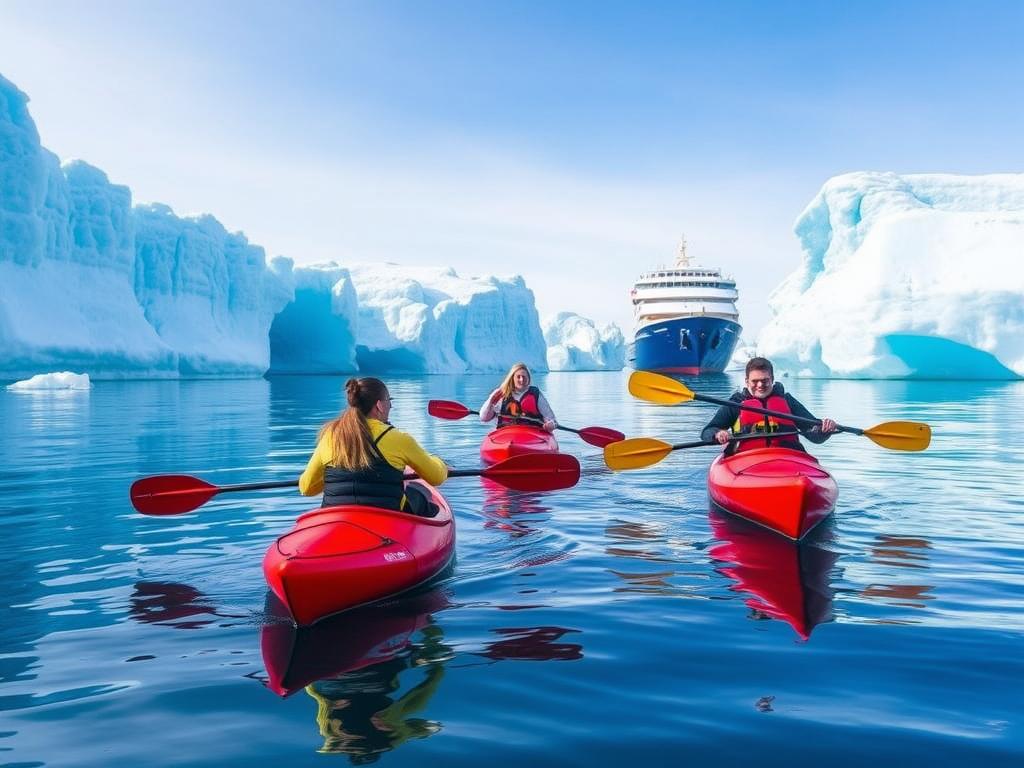
Kayaking Expeditions
Glide silently through Antarctica's pristine waters in a sea kayak, getting closer to wildlife and ice formations than possible on larger vessels. Kayaking offers an intimate, peaceful way to experience the continent's coastal areas, with opportunities to paddle alongside penguins, seals, and even whales. Most expedition cruises offer guided kayaking excursions led by polar experts, though spaces are limited and often require advance booking.

Zodiac Cruising
Zodiac excursions are the backbone of Antarctica travel experiences. These sturdy inflatable boats allow you to navigate shallow waters and get remarkably close to wildlife and ice formations. Led by experienced guides, zodiac cruises offer opportunities to witness calving glaciers, explore ice-filled bays, and observe wildlife in their natural habitat. Unlike kayaking, zodiac cruising is typically included in all Antarctica expedition packages.

Polar Plunge
For the truly adventurous, the polar plunge offers an unforgettable—if brief—immersion in Antarctic waters. This rite of passage involves jumping into the frigid Southern Ocean (typically hovering just above freezing) while your fellow travelers cheer you on. Most expedition ships offer this optional activity at least once during the voyage, with safety teams standing by. It's a thrilling way to earn serious bragging rights and a certificate to commemorate your courage.

Hiking & Snowshoeing
Step onto the Antarctic continent and explore its remarkable terrain on guided hikes and snowshoe excursions. These activities allow you to reach vantage points with spectacular views and visit penguin rookeries or historic sites. Difficulty levels vary from easy beach walks to more challenging climbs, with options suitable for most fitness levels. Some expedition cruises offer specialized snowshoeing trips that allow you to venture further inland on Antarctica's snowy terrain.

Camping
Experience the profound silence and unparalleled beauty of an Antarctic night by camping on the continent. This optional activity allows you to sleep under the midnight sun (during early season) or star-filled sky in a bivy sack or specialized tent. Spaces are limited and weather-dependent, but those who participate often describe it as the highlight of their Antarctica travel experience. There's nothing quite like falling asleep to the distant sounds of penguins and crackling ice.

Stand-Up Paddleboarding
For those seeking a unique perspective, stand-up paddleboarding offers a peaceful way to explore Antarctica's sheltered bays. This increasingly popular activity combines elements of surfing and kayaking, allowing you to stand on a specialized board while paddling through calm waters. It requires good balance and is weather-dependent, but provides an unmatched sense of gliding across Antarctica's pristine waters while enjoying 360-degree views of the surrounding landscape.
Ready for Adventure in Antarctica?
Speak with polar travel specialists who can match you with the perfect expedition based on your activity interests and travel style.
Explore Adventure OptionsExtraordinary Wildlife Encounters in Antarctica
One of the most compelling reasons for Antarctica travel is the opportunity to observe remarkable wildlife in their natural, pristine habitat. The Antarctic ecosystem, though harsh, supports a surprising diversity of specially adapted species. Here's what you might encounter during your expedition:
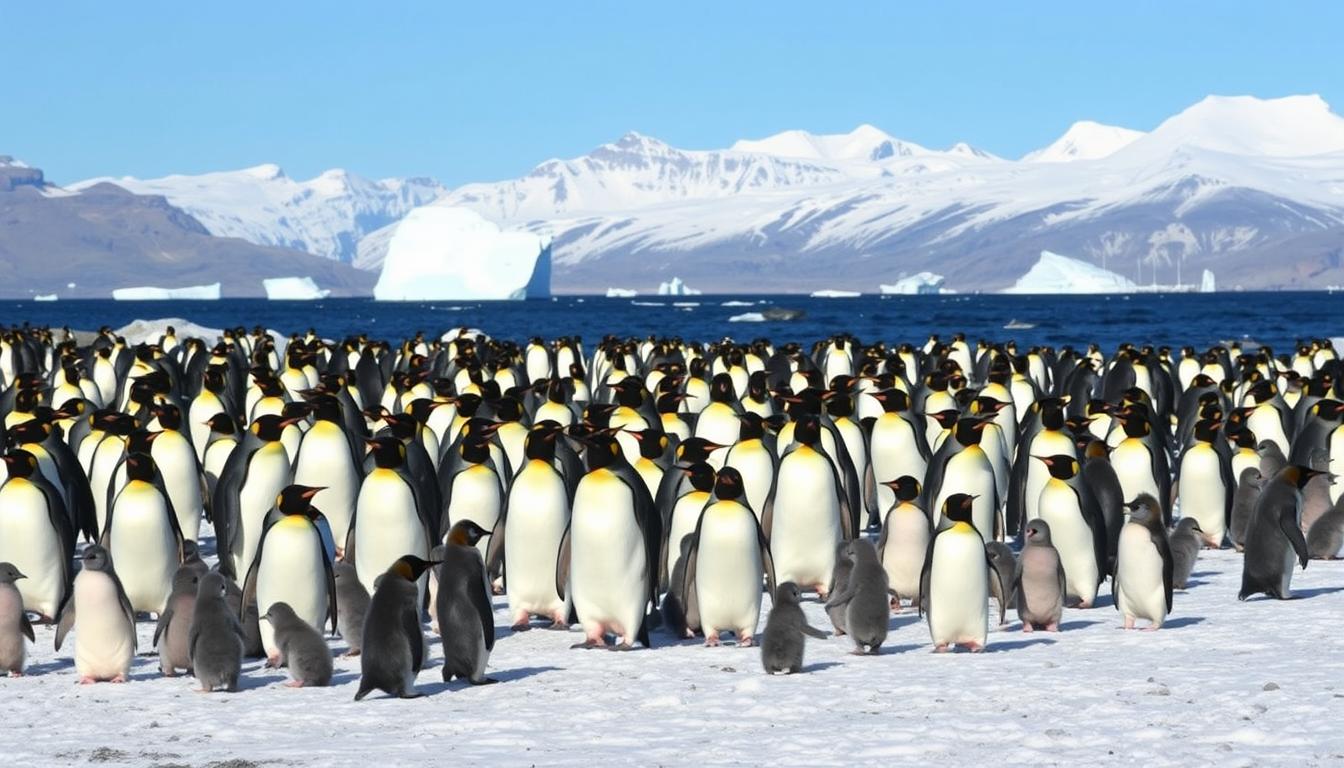
Penguin Species

Adélie Penguins
These classic tuxedo-clad penguins are among the most abundant species in Antarctica. Recognizable by their distinctive white eye rings and all-black heads, Adélies build nests of small stones and are known for their comical waddling gait. During the breeding season (November-February), you'll witness fascinating behaviors including courtship rituals, nest building, and chick rearing. Best viewing occurs along the Antarctic Peninsula and in the Ross Sea region.

Gentoo Penguins
Gentoos are easily identified by their bright orange-red beaks and white eye patches. They're the fastest swimming penguins, capable of reaching speeds up to 22 mph underwater. Their populations are concentrated on the Antarctic Peninsula and sub-Antarctic islands, making them commonly encountered during Antarctica travel. Visit between December and February to see fluffy gray chicks begging parents for food—a highlight of any Antarctic wildlife experience.

Chinstrap Penguins
Named for the distinctive thin black line that appears to run under their chin like a strap, these charismatic penguins form large, noisy colonies on the Antarctic Peninsula and South Sandwich Islands. They're known for their remarkable agility, able to climb steep rocky slopes to reach their nesting sites. Peak viewing occurs in January and February when colonies are bustling with activity and chicks begin to grow their distinctive chinstrap markings.
Marine Mammals

Humpback Whales
These magnificent creatures migrate to Antarctic waters during the austral summer (December-March) to feed on abundant krill. Humpbacks are known for their acrobatic behaviors including breaching, tail slapping, and spy-hopping. Their distinctive long pectoral fins and bushy blow make them easily identifiable. Lucky travelers might witness cooperative bubble-net feeding, where groups of whales work together to corral krill—one of the most spectacular sights in Antarctica travel.

Orcas (Killer Whales)
Antarctica is home to several ecotypes of these apex predators, each with specialized hunting strategies. Type B orcas, with their distinctive eye patches, are often spotted hunting seals along the Antarctic Peninsula. Watching a pod of orcas work together to create waves that wash seals off ice floes is a powerful reminder of nature's raw drama. February and March offer the best chances for orca sightings during your Antarctica travel experience.
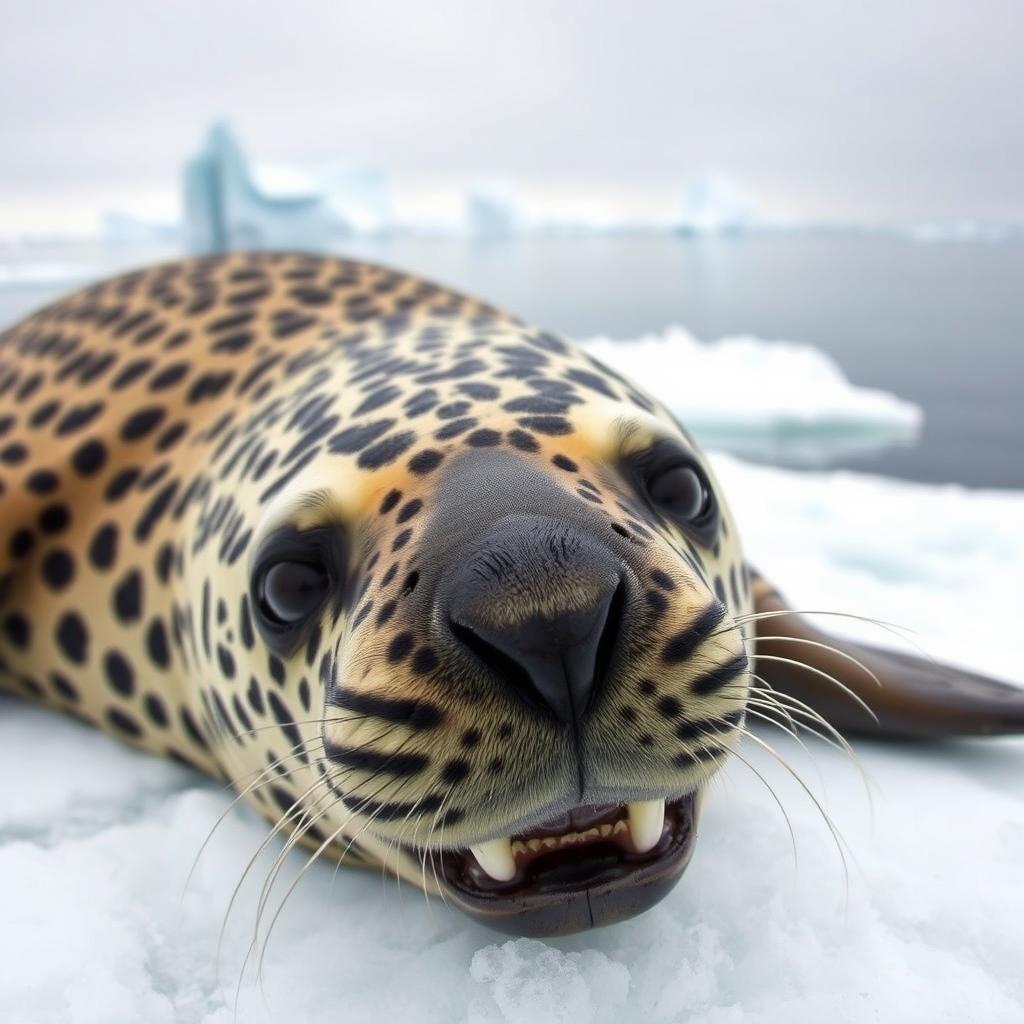
Leopard Seals
With their reptilian appearance and formidable jaws, leopard seals are the Antarctic's most intimidating predators. These solitary hunters feed primarily on penguins and can often be observed patrolling the waters near penguin colonies. Despite their fearsome reputation, they're also curious creatures that sometimes approach zodiacs—offering incredible photography opportunities. Their distinctive spotted pattern and disproportionately large head make them unmistakable during wildlife encounters on your Antarctica travel expedition.
Seabirds
The skies and seas around Antarctica teem with remarkable bird species adapted to the harsh polar environment. Wandering albatrosses—with the largest wingspan of any bird—soar effortlessly alongside your ship. Storm petrels dance across wave tops, while skuas demonstrate their impressive aerial hunting skills. For bird enthusiasts, Antarctica travel offers unparalleled opportunities to observe these specialized species in their natural habitat, often in massive colonies that must be seen to be believed.

"Antarctica's wildlife has no fear of humans. This lack of fear results in some of the most extraordinary wildlife encounters on the planet—where curious penguins approach to inspect your camera gear and whales surface right beside your zodiac."
Experience Antarctica's Wildlife Wonders
Speak with wildlife specialists who can recommend the best itineraries and timing for your specific wildlife interests.
Plan Your Wildlife ExpeditionAntarctica Cruise Experiences: Choosing Your Perfect Voyage
An Antarctica cruise forms the foundation of your polar experience, serving as both transportation and accommodation in this remote wilderness. The type of vessel you choose significantly impacts your overall Antarctica travel experience. Here's a comprehensive breakdown of your options:

Types of Antarctica Cruise Vessels

Small Expedition Ships (50-150 passengers)
Best for: Adventure-focused travelers prioritizing maximum time ashore
These purpose-built vessels offer the most immersive Antarctica travel experience. With fewer passengers, they can conduct more landings per day (up to 3) and spend longer at each site. Their smaller size allows access to narrow channels and remote bays larger ships can't reach. Accommodations are comfortable but functional, with the focus on the experience rather than luxury amenities. These ships typically offer the widest range of adventure activities including kayaking, camping, and snowshoeing.

Mid-Sized Expedition Ships (150-250 passengers)
Best for: Balancing comfort with authentic expedition experience
These vessels strike a balance between expedition capabilities and onboard amenities. With ice-strengthened hulls and expert expedition teams, they offer authentic Antarctica travel experiences while providing enhanced comfort. Most feature stabilizers for smoother sailing across the Drake Passage. While they carry more passengers (requiring some landing site rotations), they typically offer more spacious cabins, better dining options, and amenities like libraries and observation lounges. Many feature dedicated science spaces and enhanced lecture programs.
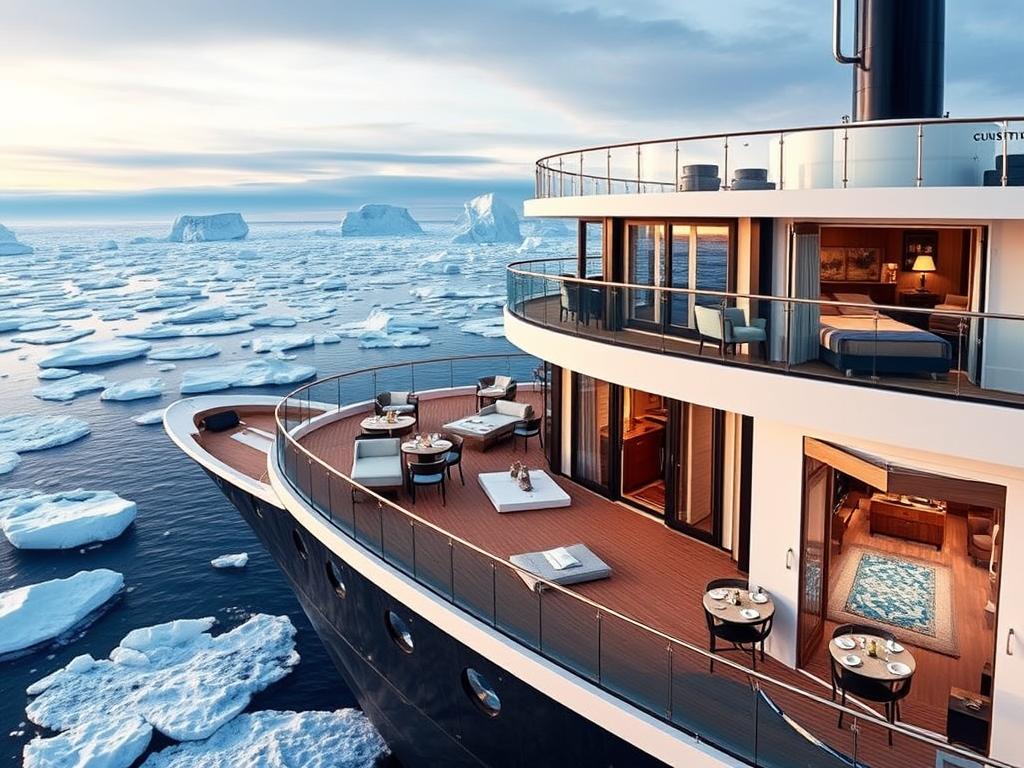
Luxury Expedition Vessels
Best for: Travelers seeking premium comfort without sacrificing the experience
These ships combine genuine expedition capabilities with luxury amenities. Expect spacious suites (many with private balconies), gourmet dining, premium service, and elegant public spaces. Despite their luxury focus, these vessels maintain strong expedition credentials with experienced polar teams and comprehensive activity programs. While they carry more passengers than smaller ships, they often compensate with more efficient landing operations. For those who want to experience adventure in Antarctica without compromising on comfort, these vessels offer the perfect solution.
Popular Antarctica Cruise Itineraries
| Itinerary Type | Duration | Highlights | Best For | When to Go |
| Antarctic Peninsula Classic | 10-12 days | Penguin colonies, whale watching, zodiac cruising, possible polar circle crossing | First-time visitors, those with limited time | December-February |
| Antarctic Circle Voyage | 12-14 days | All Peninsula highlights plus crossing the Antarctic Circle (66°33'S) | Those seeking deeper exploration | January-February |
| Falklands, South Georgia & Antarctica | 18-24 days | Massive king penguin colonies, Shackleton's grave, rich historical sites | Wildlife enthusiasts, photographers, history buffs | November-December |
| Antarctic Fly-Cruise | 8-10 days | Skip Drake Passage crossing, more time in Antarctica | Those with limited time or concerned about sea sickness | December-February |
| Ross Sea Expedition | 26-32 days | Historic huts, emperor penguins, Ross Ice Shelf | Explorers seeking remote, seldom-visited regions | January-February |
Life Onboard an Antarctica Expedition
Daily life during Antarctica travel follows a rhythm dictated by wildlife opportunities and weather conditions. Early mornings begin with announcements of spectacular sightings or approaching landing sites. Between excursions, you'll enjoy informative lectures from polar experts, photography workshops, and wildlife spotting from observation decks. Evenings feature recap sessions where expedition leaders share the day's highlights and outline plans for tomorrow. Most ships offer comfortable lounges for socializing with fellow travelers who share your passion for adventure.

Find Your Perfect Antarctica Cruise
With hundreds of departures each season, finding the right ship and itinerary can be overwhelming. Speak with polar specialists who can match you with the perfect expedition.
Explore Cruise OptionsBest Time to Visit Antarctica: Seasonal Guide
The Antarctica travel season runs from November to March (austral summer), when temperatures are milder and pack ice has receded enough to allow ship access. Each month offers distinct advantages and wildlife highlights. Here's what to expect throughout the season:


Early Season (November-December)
Highlights:
- Pristine snow conditions and dramatic ice formations
- Penguins courting and nest building
- Elephant and fur seals establishing breeding territories
- Longer daylight hours for photography (up to 20+ hours)
- Slightly lower prices than peak season
Considerations: Colder temperatures (avg. 20-30°F/-6 to -1°C), potential for more sea ice limiting access to some sites

Peak Season (January)
Highlights:
- Warmest temperatures (avg. 30-35°F/-1 to 2°C)
- Penguin chicks hatching and forming crèches
- Increased whale sightings as they feed in nutrient-rich waters
- Maximum wildlife activity throughout the Peninsula
- Longer days with excellent light for photography
Considerations: Higher prices, more ships operating (though Antarctica never feels crowded)

Late Season (February-March)
Highlights:
- Prime whale watching as populations peak
- Penguin chicks fledging and learning to swim
- More exposed rock creates dramatic landscapes
- Spectacular sunrises and sunsets as days shorten
- Receding ice allows deeper exploration
Considerations: Penguin colonies becoming messy as chicks molt, potential for rougher Drake Passage crossings
"There's no 'best' time to visit Antarctica—only different experiences throughout the season. The ideal timing depends entirely on your specific interests and what aspects of Antarctica you most want to experience."
Time Your Antarctica Adventure Perfectly
Speak with seasonal specialists who can recommend the ideal timing based on your specific wildlife and photography interests.
Find Your Perfect SeasonEssential Packing List for Antarctica Travel
Proper preparation is crucial for comfort and enjoyment during your Antarctica expedition. While most ships provide expedition jackets and boots, you'll need to bring several specialized items. Here's a comprehensive packing list organized by category:

Base Layers & Insulation
- Thermal underwear: 2-3 sets (synthetic or merino wool, NOT cotton)
- Mid-layer tops: 2-3 fleece or wool sweaters/pullovers
- Mid-layer bottoms: 1-2 fleece or wool pants
- Heavy insulating layer: Down or synthetic insulated jacket
- Warm socks: 4-6 pairs of wool or synthetic blend (NOT cotton)
- Casual clothes: For onboard and pre/post trip
Outer Layers & Accessories
- Waterproof pants: Essential for zodiac cruising and landings
- Waterproof gloves: 2 pairs (one heavy, one lighter liner pair)
- Warm hat: Covering ears, windproof
- Neck gaiter or buff: For face/neck protection
- Sunglasses: High-quality with 100% UV protection
- Swimwear: For ship's hot tub or polar plunge
- Waterproof backpack/dry bag: For camera gear during excursions
Photography & Electronics
- Camera: DSLR or mirrorless with manual controls
- Lenses: Wide-angle for landscapes, telephoto (at least 200mm) for wildlife
- Extra batteries: Cold depletes battery life rapidly
- Memory cards: More than you think you'll need
- Waterproof camera bag: Protection during zodiac transfers
- Binoculars: Essential for wildlife spotting (8x42 or 10x42 recommended)
- Power adapters: Check your ship's outlet types
Health & Medication Essentials
- Seasickness medication: Essential for Drake Passage crossing (consult your doctor)
- Prescription medications: Pack in carry-on with extra supply
- Sunscreen: Minimum SPF 30 (Antarctic sun is intense due to ozone depletion)
- Lip balm: With SPF protection
- Hand/foot warmers: For extra warmth during extended excursions
- Eye drops: Cold, windy conditions can cause dryness
- Moisturizer: For dry skin in cold, windy conditions
- First-aid kit: Basic supplies for minor issues
Pro Tip: Pack all essential gear, medications, and at least one change of clothes in your carry-on luggage. Delayed checked baggage could impact the start of your expedition, as ships operate on strict schedules and won't delay departure for missing luggage.
Prepare Perfectly for Your Expedition
Request our comprehensive Antarctica packing guide with detailed recommendations for your specific itinerary and season.
Get Your Packing GuideEco-Friendly Travel Practices for Antarctica
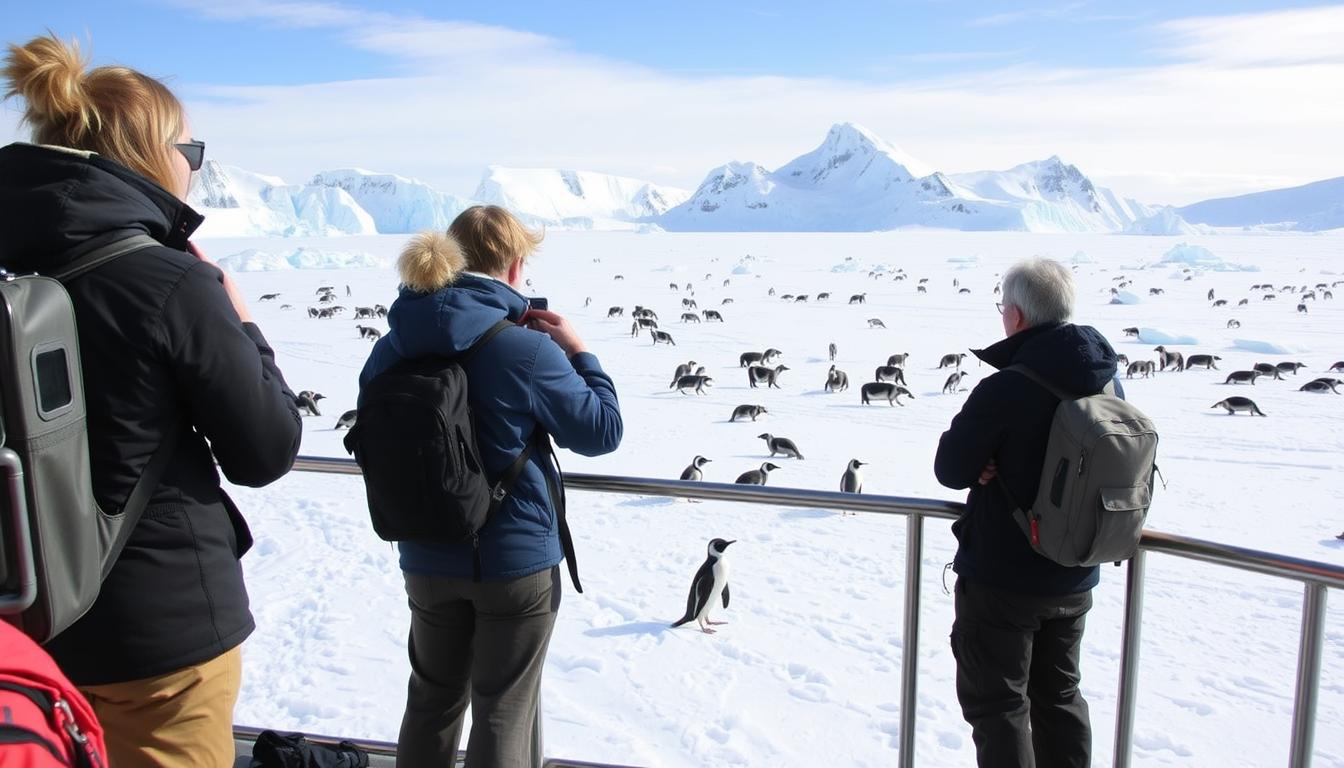
Antarctica remains one of Earth's most pristine environments, largely due to strict regulations and responsible tourism practices. As visitors to this extraordinary wilderness, we all share responsibility for its preservation. Here's how to ensure your Antarctica travel experience has minimal environmental impact:
IAATO Guidelines & Regulations
The International Association of Antarctica Tour Operators (IAATO) establishes strict protocols that all reputable operators follow. These include:
Wildlife Interaction
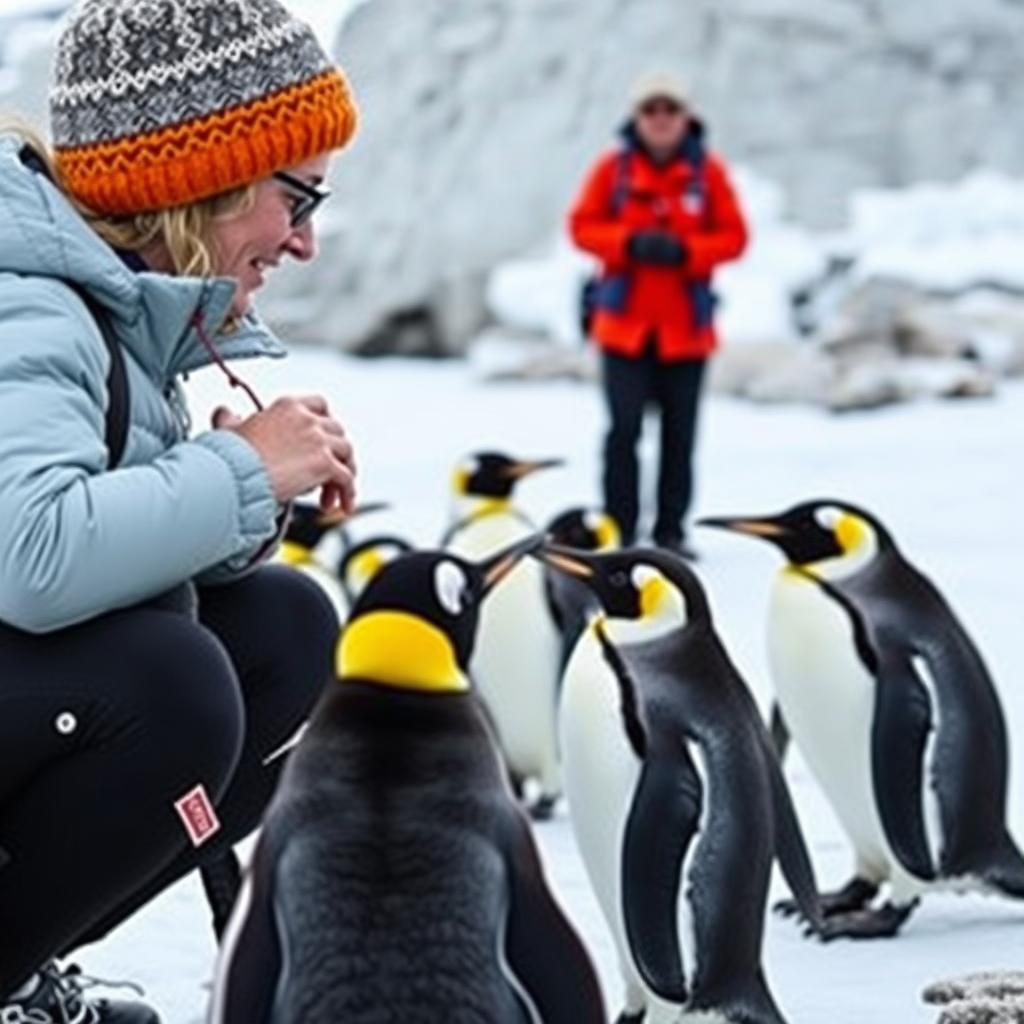
- Maintain minimum 5-meter distance from wildlife
- Give animals right of way during all encounters
- Never feed, touch, or disturb wildlife
- Observe quietly to minimize stress
- Keep low profile (sit or kneel) to appear less threatening

Biosecurity Protocols
- Decontaminate all gear before and between landings
- Thoroughly clean boots in disinfectant
- Vacuum clothing to remove seeds and biological material
- Never bring food ashore
- Follow all staff instructions regarding biosecurity
Choosing Responsible Operators
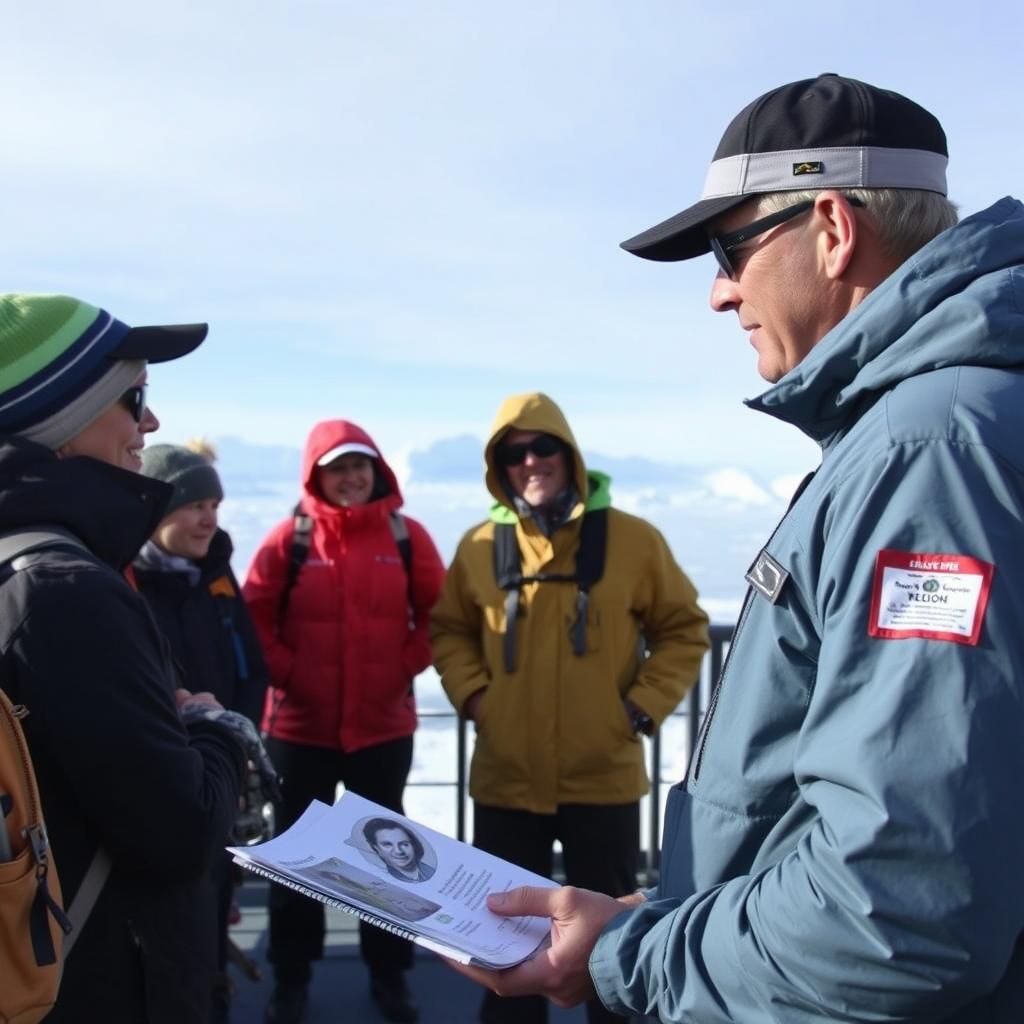
Not all Antarctica travel providers maintain the same environmental standards. When selecting your expedition, consider these factors:
- IAATO membership: Ensure your operator is an IAATO member committed to responsible tourism
- Ship size: Smaller vessels (under 500 passengers) have less environmental impact and offer more immersive experiences
- Carbon offset programs: Some operators offset emissions from their operations
- Waste management: Ask about onboard recycling and waste reduction practices
- Educational focus: Strong environmental education indicates commitment to conservation
- Scientific support: Many operators contribute to research through citizen science programs
- Conservation initiatives: Some companies directly support Antarctic conservation efforts
- Plastic reduction: Look for operators eliminating single-use plastics
Being an Antarctica Ambassador
Your responsibility extends beyond your visit. After experiencing Antarctica's fragile beauty firsthand, you become an ambassador for its protection. Share your experiences, emphasize conservation messages, and support organizations working to protect the Antarctic environment. Consider joining groups like the Antarctic and Southern Ocean Coalition (ASOC) that advocate for stronger protection measures for this remarkable wilderness.
"Antarctica doesn't belong to any single nation—it belongs to all of us. As visitors to this extraordinary continent, we become stewards of its future, responsible for ensuring it remains pristine for generations to come."
Travel Responsibly to Antarctica
Connect with operators committed to the highest environmental standards and sustainable Antarctica travel practices.
Explore Eco-Friendly OptionsEmbarking on Your Antarctica Adventure
Antarctica represents the journey of a lifetime—a place where nature's grandeur remains largely untouched by human influence. From thrilling adventures like kayaking among icebergs to unforgettable wildlife encounters with curious penguins and breaching whales, an expedition to the White Continent offers experiences that will remain with you forever. The pristine landscapes of towering glaciers, massive tabular icebergs, and mountains reflected in still waters create a photographer's paradise and a traveler's dream.
As you plan your Antarctica travel experience, remember that careful preparation enhances your journey. Choose the right season for your specific interests, select a vessel that matches your comfort and adventure preferences, and pack appropriately for the conditions. Most importantly, travel with respect for this fragile environment, following responsible tourism practices that help preserve Antarctica for future generations.
The continent at the bottom of the world awaits, ready to transform your perspective and create memories that will last a lifetime. Antarctica isn't just a destination—it's an experience that changes how you see our planet and your place within it.

Begin Your Antarctica Journey Today
Speak with polar specialists who can guide you through the planning process and match you with the perfect expedition for your interests, timeline, and budget.
Start Planning Your Expedition


